2 hr 30 min
Tokyo Bay Yakatabune Dinner Cruise
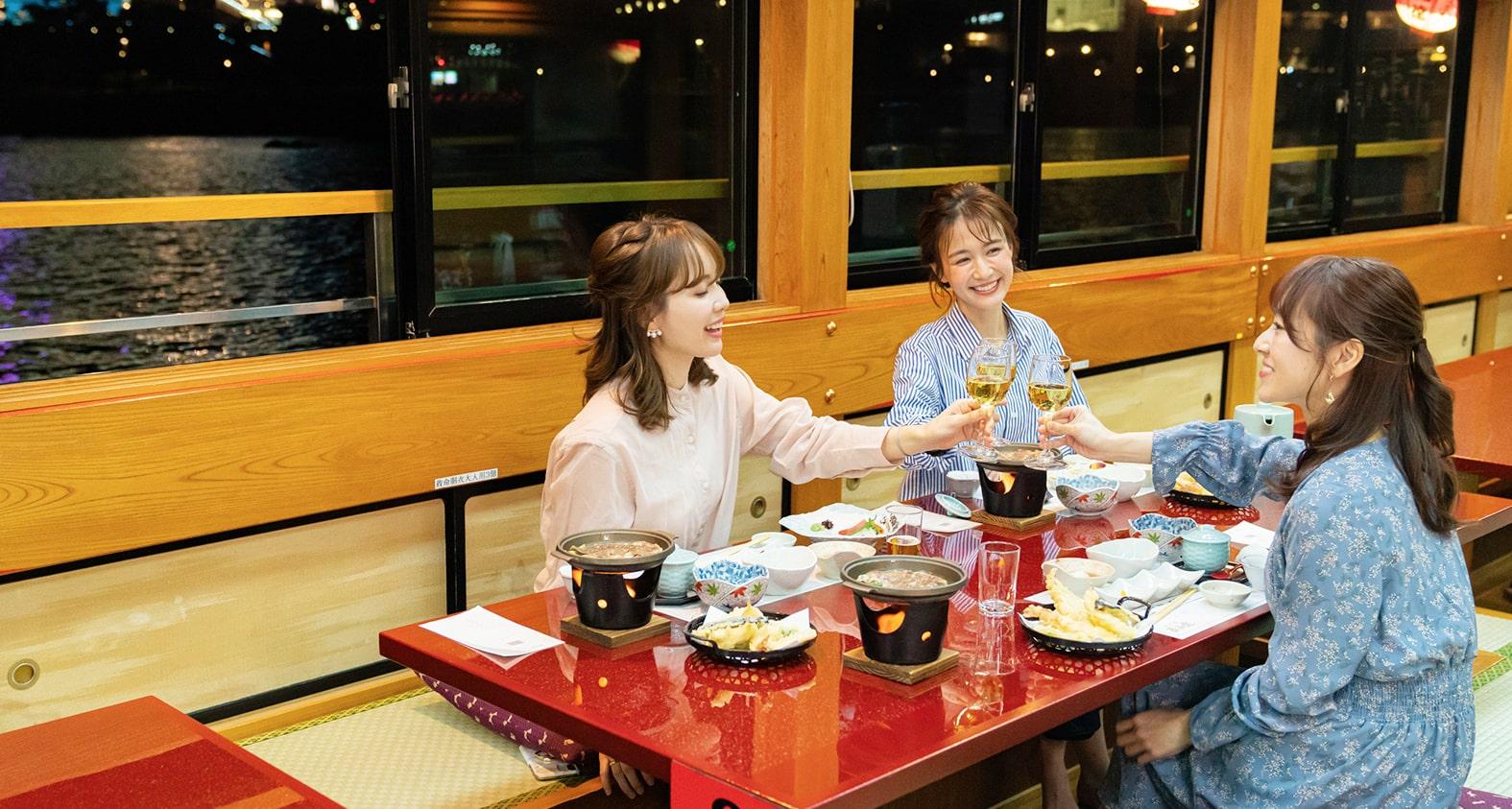
Float down the Sumida River aboard a traditional Japanese dining boat with skyline views and unlimited drinks
Reserve
Hand-picked by our editors — only the best 5 experiences from 60 reviewed.
Verified partners for every tour, free cancellation where available, and instant confirmation on every booking.
2 hr 30 min
Float down the Sumida River aboard a traditional Japanese dining boat with skyline views and unlimited drinks
Reserve
1 hr 30 min
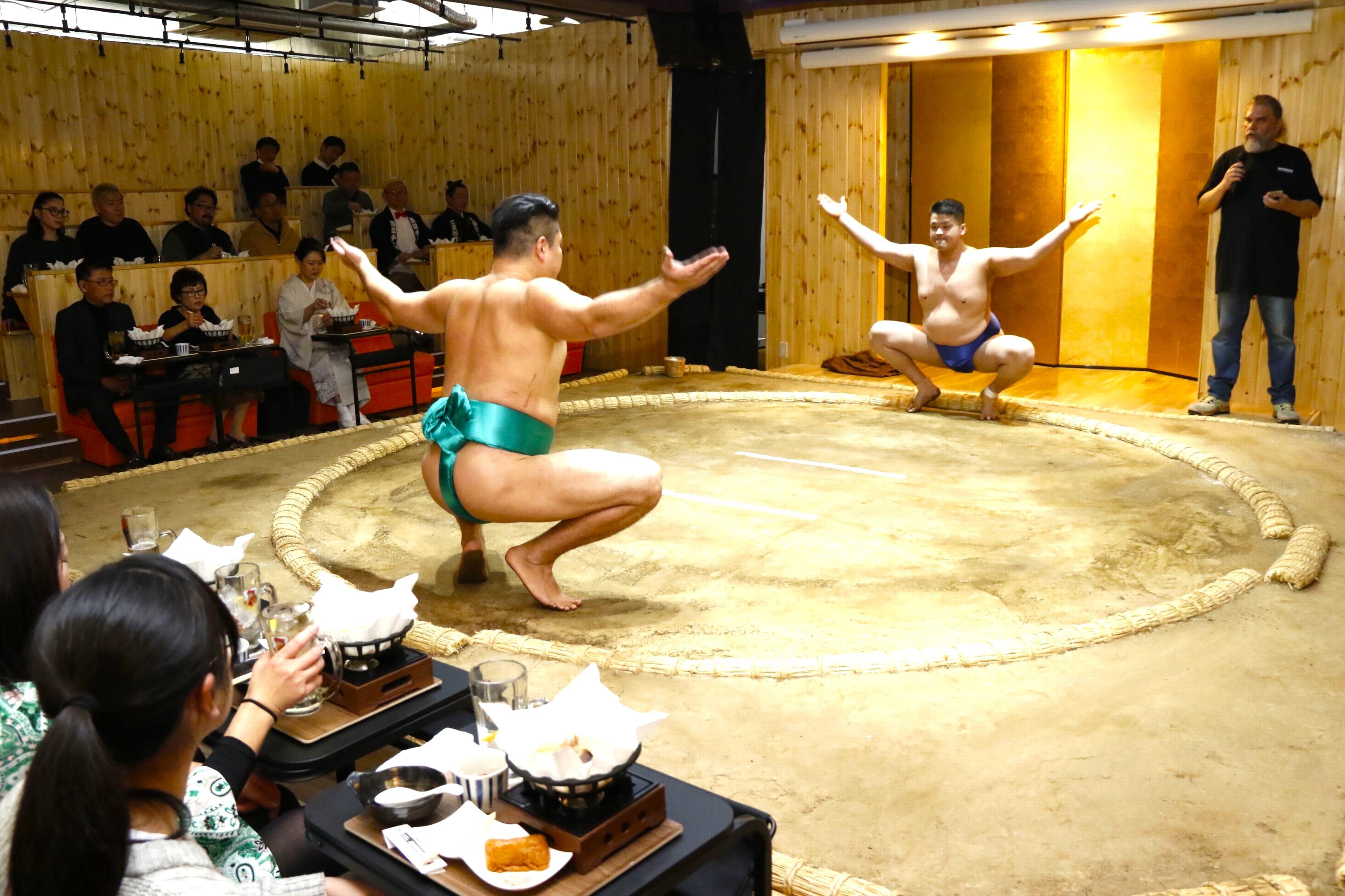
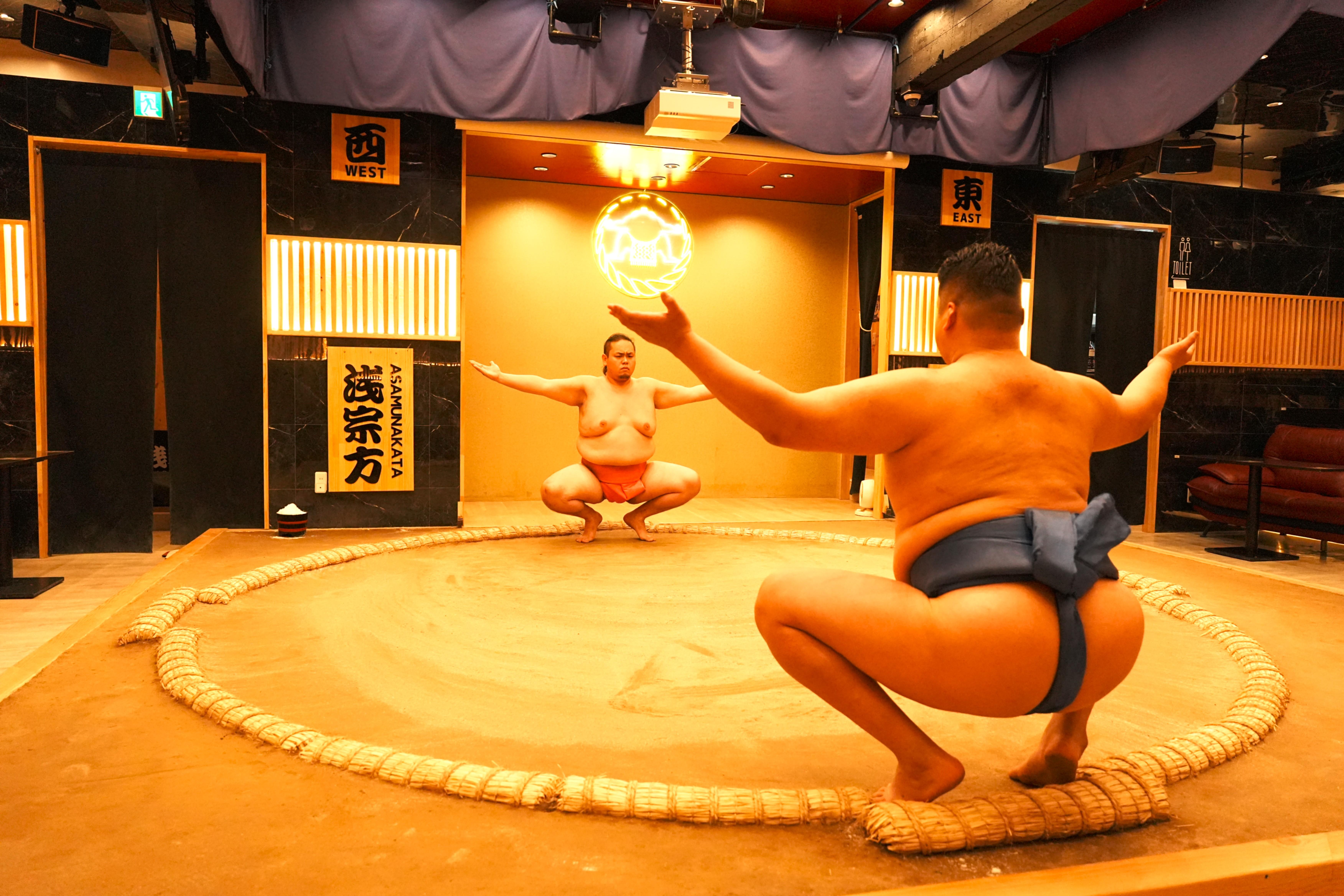
Watch retired champions demonstrate ancient techniques, challenge a wrestler in the ring, and feast on chanko-nabe
Reserve
2 hr
Watch retired wrestlers compete in an intimate ring-side venue while dining on chanko nabe and A5 wagyu
ReservePrices from verified partners. Availability updates in real time at checkout. Free cancellation policies apply where shown.
The landmarks, rooms, and views travelers on this tour remember — all visible on a single visit.
Gliding along the historic river offers a peaceful perspective of Tokyo's contrast between old and new.
They complement each other; most visitors who do both call the yakatabune dinner cruise asakusa more authentic for intimate cultural immersion, whereas large bay cruisers offer better panoramic visibility. Securing your yakatabune dinner cruise asakusa tickets early ensures you experience the traditional atmosphere that these historic vessels provide.
| Feature | Top pick Yakatabune Boat | Bay Sightseeing Cruise |
|---|---|---|
Ambiance |
Intimate and traditional | Modern and spacious |
Seating Style |
Tatami mats and low tables | Standard deck chairs and tables |
Cuisine Type |
Multi-course Japanese kaiseki | Buffet or cafe snacks |
View Perspective |
River-level Tokyo landmarks | Panoramic Tokyo Bay skyline |
Social Atmosphere |
Group interaction in cabin | Individualized observation deck flow |
Vessel History |
Ancient Japanese wood design | Contemporary steel passenger ship |
| See tickets → |
Verdict: Choose a yakatabune dinner cruise asakusa tour for a social, traditional meal, or pick a bay cruiser if you prefer high-vantage photography while navigating Tokyo Bay sightseeing cruise routes.
Choose your ticket, select your date, and reserve in under two minutes. Secure checkout handled by our verified partner.
Instant confirmation by email, with a mobile voucher you can save offline. No printing, no queuing at a collection desk.
Arrive at the entrance, show your voucher on your phone, and walk in. Most tickets include priority or skip-the-line access.
Practical details for your visit straight from our verified partners — hours, access, rules, and how to get there.
Sumida River, Tokyo
Check your specific voucher for the exact pier location.
Take the Ginza Line to Asakusa Station and walk toward the Sumida River.
Casual attire is appropriate, though many guests enjoy wearing yukata for a traditional feel. Please wear shoes that are easy to remove, as you will be seated on tatami mats.
Space is limited on board; please bring only essential items. You may be required to keep bags under your table or in designated storage areas during the meal.
Photography is encouraged from the open deck. Please be mindful of staff instructions regarding when it is safe to access the roof for photos.
Most vessels are traditional in design with some steps; guests with mobility concerns should inquire with the association regarding chair-equipped boats.
Mobile phones are permitted for photos and personal use. Please be considerate of other passengers in the shared cabin.
Children are welcome on board. Please specify age and meal requirements at the time of reservation to ensure appropriate seating and menu arrangements.
Cruises include traditional Japanese multi-course meals featuring tempura and sashimi. Free-flow alcoholic and non-alcoholic beverages are provided throughout the dinner.
Pets are not permitted on shared cruises. Please check with individual operators if you are booking a private chartered vessel.
Shared dinner cruises start at 12,000 JPY. Departure times and specific routes are managed by individual operators and confirmed upon booking.
Sumida River, Tokyo
Check your specific voucher for the exact pier location.
Get directionsBest time to go, insider tips, nearby landmarks, and the cancellation fine print — flip through to skim what matters to you.
How crowds, weather, and events shift across the year.
March to April offers beautiful cherry blossom views along the Sumida River banks.
Small details that turn a good visit into a great one.
Shared cruises fill up quickly, especially during peak seasons like spring and summer.
Non-bookable sights within a short walk — free to visit, easy to pair.
A towering broadcasting landmark offering expansive views of the city.
Flexible, no hidden fees.
Cancellations on short notice will not receive refunds. Please refer to individual operator terms as conditions vary by provider.
Hand-picked options within walking distance — pick a district for vibe, or a specific hotel for convenience.
Convenient area with numerous hotels near the river and transit lines.
Yakatabune began not as tourism but as aristocratic real estate — floating rooms owned by court nobles in the Heian period, later adopted by Edo's merchant class as the city's most conspicuous form of leisure. By the seventeenth century, the Sumida River carried hundreds of these roofed boats. Edo was a water city. Its goods, its fish, its firewood and its gossip all moved by canal, and the pleasure boat was simply a merchant barge given lacquer, paper lanterns and a cook. Sumptuary laws periodically banned the largest vessels; the shogunate disliked visible wealth. The boats returned each time, smaller and better decorated. The Ryōgoku fireworks, first staged in 1733 to mark the end of a cholera epidemic, gave the fleet its defining night: hundreds of hulls packed gunwale to gunwale beneath the sparks. A yakatabune dinner cruise asakusa passengers board today descends directly from that summer ritual. The modern fleet is small. Wartime bombing destroyed most of the wooden boats, and postwar industrial pollution made the Sumida a river people avoided rather than dined upon. Water quality recovered slowly through the 1970s and 1980s. The Tokyo Yakatabune Association, reachable at +81-3-5825-5526, now coordinates the surviving operators from offices open 10:00–17:00 on Monday and Wednesday through Friday, closed Tuesday and Sunday. Its member boats depart from piers scattered along the Sumida River in Asakusa and downstream toward Shinagawa and Tokyo Bay. Architecturally, the vessels are conservative by design. A flat hull draws little water. A single long room runs the length of the deck, floored in tatami, lined with low tables, and hung with paper lanterns that read as orange smudges from the embankment. Sliding panels open the sides completely. The kitchen is a galley barely wider than a corridor, yet tempura is fried to order and served in sequence — the reason these boats are judged as restaurants rather than transport. Sumida River dinner boat tours pass beneath a catalogue of bridges: Azuma, Komagata, Kuramae, Ryōgoku, each painted a different colour under a 1920s reconstruction scheme. What sustains the tradition is contrast. Tokyo Skytree, 634 metres of steel lattice completed in 2012, stands directly above a form of dining that predates it by four centuries. Yakatabune dinner cruise asakusa operators trade on precisely that collision, and the persistence of Edo evening illumination on a river of glass towers is the reason the fleet still fills.
"A flat hull draws little water; a single tatami room runs the length of the deck."
A step-by-step walkthrough of the visit — what you'll see, how long each stage takes, and the details that matter.
You reach the Sumida River piers in Asakusa while the light is still on the water, and you find your boat by its lanterns rather than its name. You leave your shoes in the rack at the gangway. You duck through a low doorway, and the cabin opens out — one long tatami room, tables set end to end, sliding panels pushed wide. You sit cross-legged or slide your legs into a sunken well beneath the table. The first courses are already laid: sashimi, simmered vegetables, a small pot warming on its own flame. Free-flow drinks start immediately, and they do not stop. Tempura arrives in waves from the galley behind you, one or two pieces at a time, still hissing. Yakatabune dinner cruise asakusa tours build the meal around this rhythm rather than serving it all at once. You go up to the roof deck when the boat clears Azuma Bridge. You watch Skytree swing across the sky as the hull turns. Downstream, the bridges come one after another — Komagata, Kuramae, Ryōgoku — each lit a different colour. You go back down for the last course. Somebody starts the karaoke machine. By the time the boat noses back toward the pier, three hours have gone, and you step off onto a pier that smells of river and fried oil, looking for your shoes.
The minimum price for a shared dinner cruise including meal and free-flow drinks is 12,000 JPY.
Yes, families are welcome on a yakatabune dinner cruise asakusa, though it is best to check specific age policies.
Most cruises last between 2 and 2.5 hours.
Yes, your yakatabune dinner cruise asakusa tickets include a traditional Japanese meal and free-flow drinks.
You will typically see the Tokyo Sky Tree, Rainbow Bridge, and the Odaiba area while on your yakatabune dinner cruise asakusa.
Yes, reservations are required for all yakatabune dinner cruise asakusa tours as departure times and availability vary.
Some operators can accommodate dietary needs if you notify them at the time of booking your yakatabune dinner cruise asakusa.
Departure points vary by operator but are located along the Sumida River in Asakusa, Tokyo.
Cruises generally proceed in light rain, but the association will contact you regarding cancellations in severe weather.
Outside food is prohibited, but some operators may allow pre-arranged beverages; please confirm before your yakatabune dinner cruise asakusa.