Yakatabune Dinner Cruise Tokyo
Yakatabune Dinner Cruise Shinagawa
Tours & tickets

Yakatabune Dinner Cruise Shinagawa

Lanterns bloom on black water, the city drifts past low windows.

Hand-picked by our editors — only the best 5 experiences from 120 reviewed.

Free cancellation Instant confirmation Mobile voucher Verified partner Book now, pay later
Tickets

Choose your ticket

Verified partners for every tour, free cancellation where available, and instant confirmation on every booking.

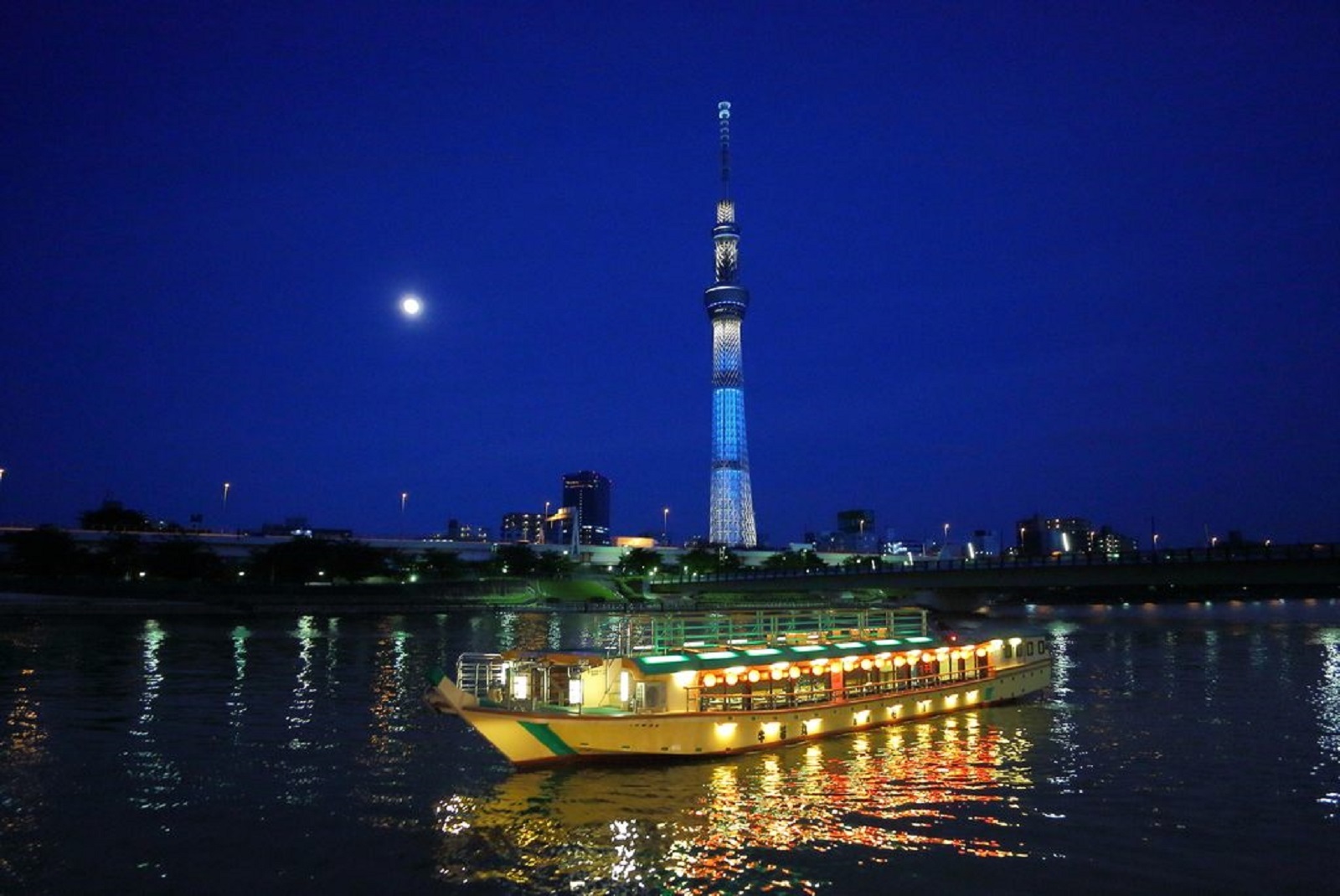
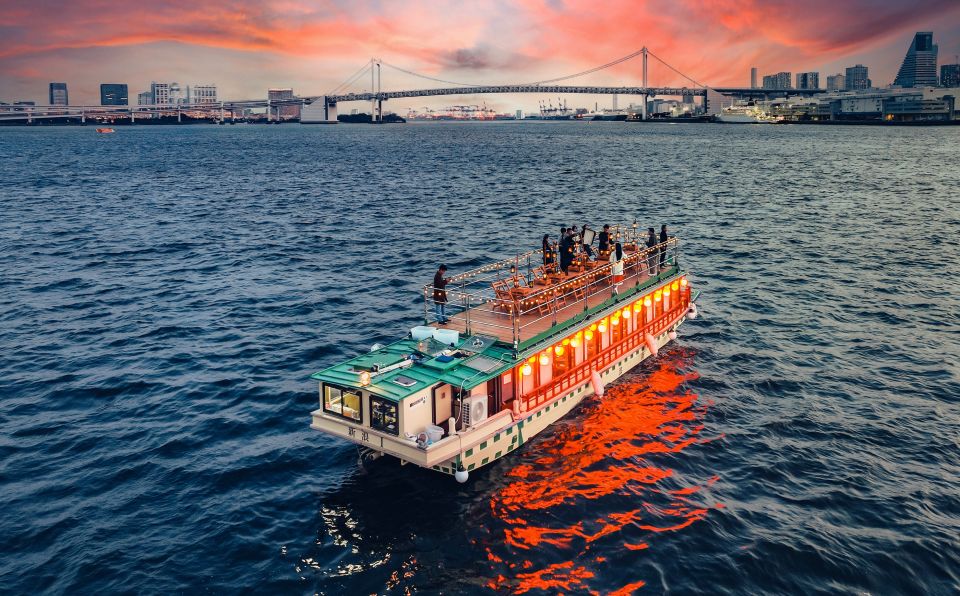
Tokyo Bay Yakatabune Dinner Cruise 3 hr
Standard Entry

Tokyo Bay Yakatabune Dinner Cruise

★ 4.7 (285)
€102
per person
Instant Mobile voucher Flexible — change up to 24h

Drift past Rainbow Bridge and Tokyo Skytree on a traditional houseboat with a full Japanese dinner and unlimited drinks.

Reserve
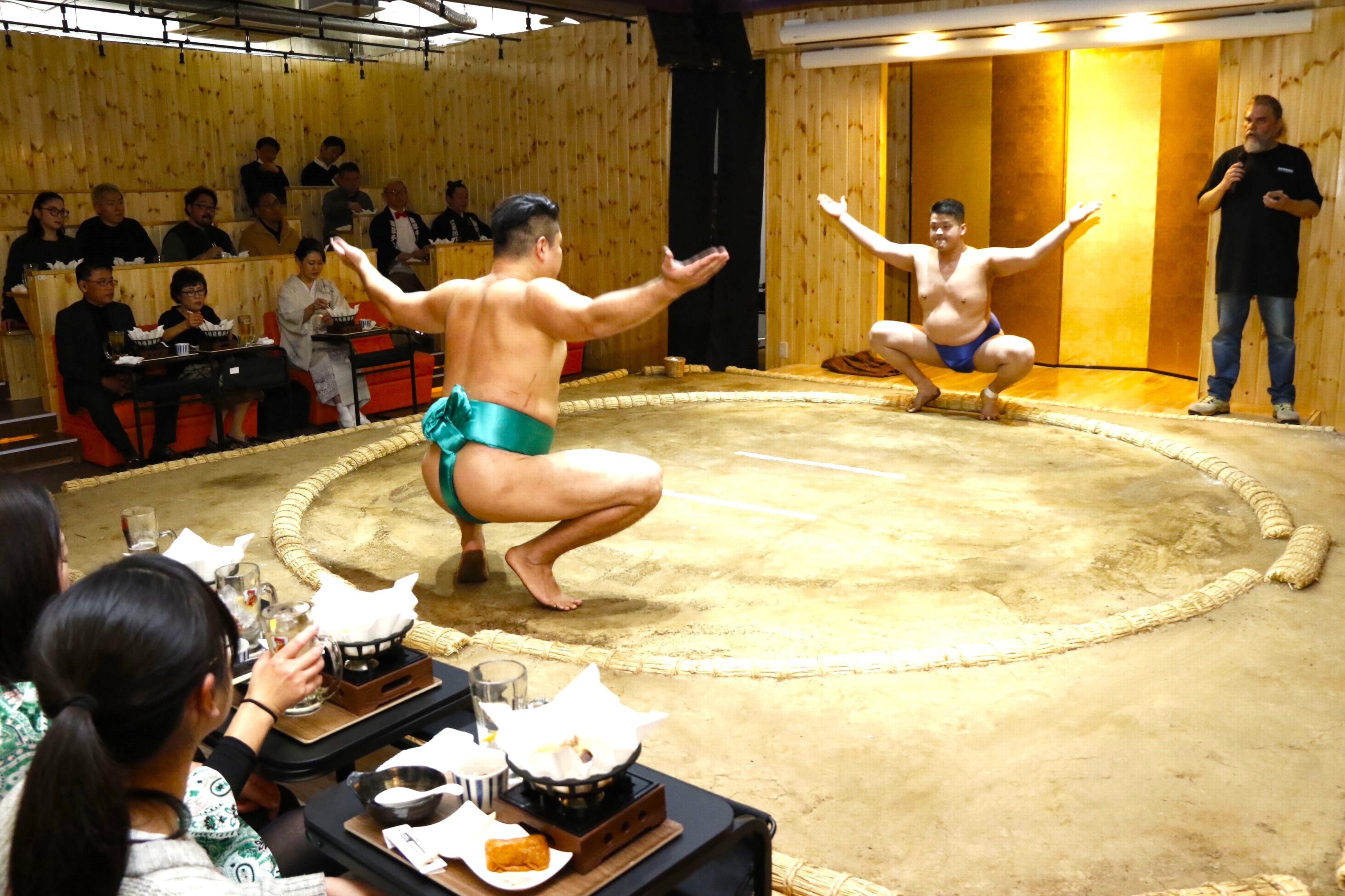
Tokyo Sumo Show with Chanko-Nabe Hot Pot & Geisha Performance 2 hr
Standard Entry

Tokyo Sumo Show with Chanko-Nabe Hot Pot & Geisha Performance

★ 4.8 (8104)
€87
per person
Instant Mobile voucher Flexible — change up to 24h

Watch retired sumo pros clash in Asakusa, dine on all-you-can-eat hot pot, and meet a geisha — all under one roof.

Reserve

Prices from verified partners. Availability updates in real time at checkout. Free cancellation policies apply where shown.

Highlights

What you'll see inside the attraction

The landmarks, rooms, and views travelers on this tour remember — all visible on a single visit.

Traditional Wooden Deck

The open-air deck provides unobstructed 360-degree views of the Sumida River and city lights. This classic boat design has been used for centuries to host floating celebrations.

Tatami Dining Room

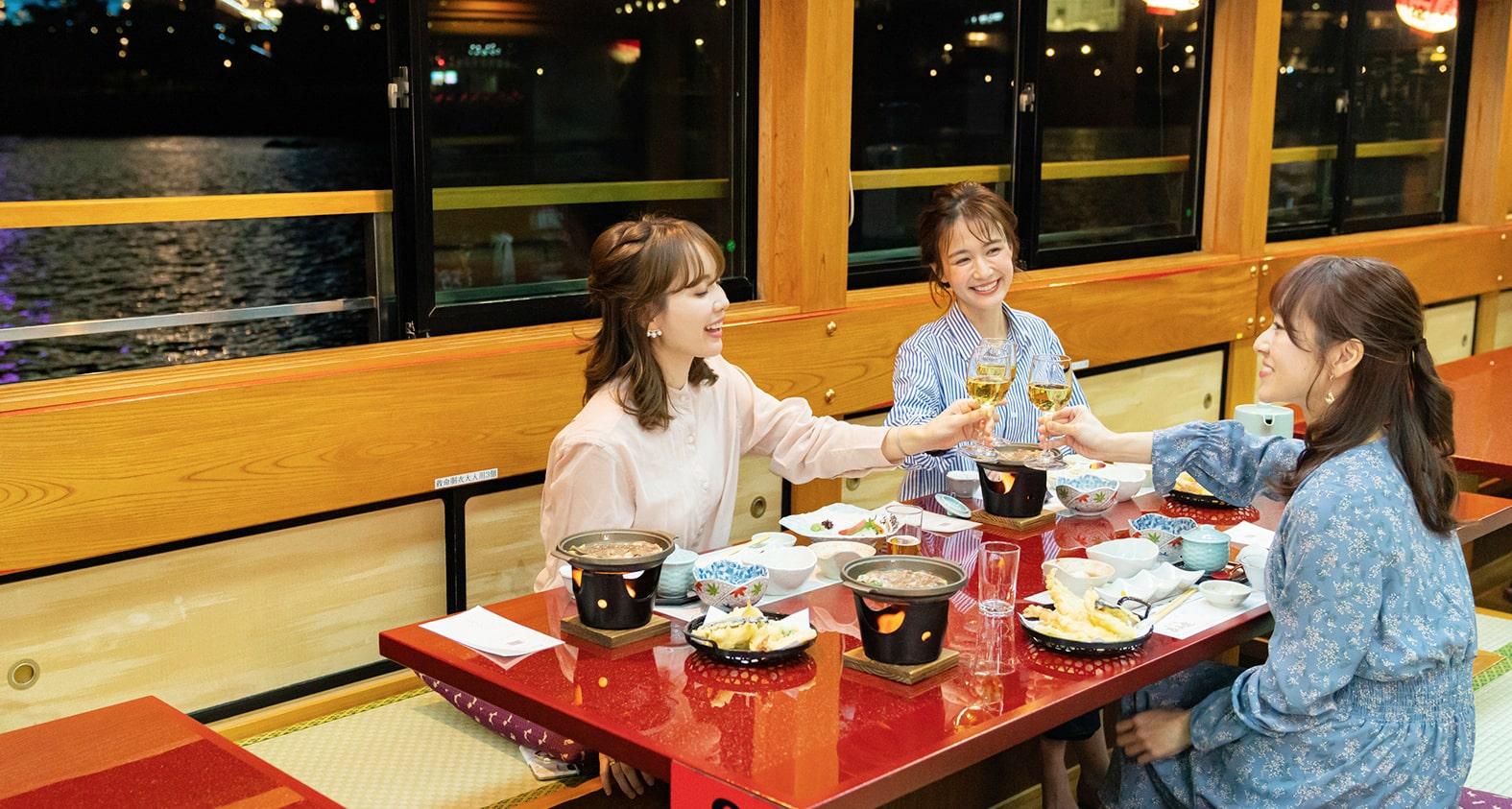
The interior features authentic tatami mat flooring, creating a traditional atmosphere for your meal. You will dine at low tables while taking in the river views.

Panoramic River Windows

Large windows line the sides of the cabin, ensuring you never miss a landmark. These windows can be opened for fresh air during the voyage.

Floating Lantern Ambiance

Soft evening lighting illuminates the vessel, reflecting beautifully on the water. This provides a serene environment for your dining experience.

Historic Waterfront Views

Cruising through Tokyo offers unique perspectives on bridges and urban architecture not visible from the street. Many routes highlight the illuminated skyline along the water.

Head to head

Yakatabune Dinner Cruise Shinagawa vs. Asakusa Departures: Which Experience Suits You?

They complement each other; most visitors who do both find the Shinagawa route more relaxing for harbor lights while Asakusa offers a dense, cultural urban core experience. Choosing between these yakatabune dinner cruise shinagawa tours depends on whether you prefer open bay expanses or tight, historic river channels.

Feature Top pick Shinagawa Cruise Asakusa Cruise
Departure Area
Asakusa/Sumida River
Primary View
Historic city landmarks
River vs. Bay
Sumida River
Boat Style
Traditional wooden vessel
Atmosphere
Busy historic energy
Evening Access
Typically evening

Verdict: Select the Shinagawa route for modern maritime vistas or the Asakusa option for a yakatabune dinner cruise shinagawa tour alternative focused on heritage, and secure your yakatabune dinner cruise shinagawa tickets accordingly.

How your ticket works

Book your ticket in 3 steps

  1. 01

    Book online

    Choose your ticket, select your date, and reserve in under two minutes. Secure checkout handled by our verified partner.

  2. 02

    Receive your mobile voucher

    Instant confirmation by email, with a mobile voucher you can save offline. No printing, no queuing at a collection desk.

  3. 03

    Show & enter

    Arrive at the entrance, show your voucher on your phone, and walk in. Most tickets include priority or skip-the-line access.

Around your visit

Everything else worth knowing

Best time to go, insider tips, nearby landmarks, and the cancellation fine print — flip through to skim what matters to you.

Best time to visit

How crowds, weather, and events shift across the year.

Spring

Late March to early April offers cherry blossom views along the Sumida River.

Summer

August evenings provide warm temperatures and comfortable night breezes.

Autumn

September to November features clear skies and cool evening air for photography.

Winter

Crisp air offers the clearest views of the Tokyo night skyline.

Helpful tips for your visit

Small details that turn a good visit into a great one.

Book Early

Reserve your tickets well in advance as evening slots fill quickly.

Dress for Weather

The river can be cooler at night than on land, so bring a light layer.

Arrive Promptly

Follow the recommended arrival window of 17:30–18:30 to ensure smooth boarding.

Use Public Transit

Parking is limited at the pier; trains are the most efficient way to reach the site.

Check for Allergies

Notify the staff of food allergies when finalizing your reservation.

Nearby landmarks

Non-bookable sights within a short walk — free to visit, easy to pair.

Tennozu Isle

5 min walk

A modern waterfront area with boardwalks and art installations.

Shinagawa Shrine

12 min walk

A historic shrine featuring a unique Mount Fuji replica.

Tokyo Tower

15 min drive

An iconic steel lattice tower offering city vistas.

Rainbow Bridge

10 min drive

A major suspension bridge spanning Tokyo Bay.

Cancellation policy

Flexible, no hidden fees.

Cancellations made within the designated window are subject to the operator policy. The entrance fee of 13,400 JPY is non-refundable if cancelled outside of the permitted time frame.

Where to stay

Hotels & districts near the attraction

Hand-picked options within walking distance — pick a district for vibe, or a specific hotel for convenience.

Shinagawa Prince Hotel

10 min walk
luxury

Large hotel complex near the station.

Hotel Sunroute Shinagawa

12 min walk
mid-range

Convenient location for business and leisure travelers.

Hostel Shinagawa

15 min walk
budget

Shared lodging option near the waterfront.

About

The place, in context

Edo's grandest roofed boats were legislated out of existence. In the seventeenth century, daimyo and wealthy merchants commissioned pleasure craft finished in lacquer and gold leaf, and successive shogunal sumptuary edicts pared them back to something plainer. What survived was the smaller wooden yakatabune: a flat-bottomed hull, a broad roof, tatami on the floor. The form predates Edo entirely. Heian-era nobles were poled along rivers under the same silhouette, composing verse while the banks moved. Ukiyo-e recorded the fleet. Hiroshige's views of the lower Sumida show roofed boats clustered beneath the bridges, lanterns doubled in the water, the same composition a passenger sees now from a rooftop deck. Shinagawa's claim to the tradition is geographic. The district was Shinagawa-juku, the first post station on the Tōkaidō road out of Edo, and its waterfront carried teahouses, fishing fleets and a working shoreline long before Tokyo Bay was filled and squared into container terminals. Boatyards clustered in the canals around Higashi-shinagawa, where operators running yakatabune dinner cruise shinagawa tours still keep their moorings. The craft nearly disappeared twice: once to the railways, which made river transport redundant, and again to the Second World War, which burned most of the fleet. The Tokyo Yakatabune Association was formed to coordinate the operators who rebuilt it. Hulls are steel now, with rooftop observation decks, air conditioning and karaoke, but the interior grammar holds: shoji screens, low tables, tempura fried onboard rather than carried aboard. Tempura, an Edo street food, migrated onto the boats because the dish loses its point within minutes of leaving the oil. 屋形船 remains the only Tokyo dining room that moves. Geography does the rest of the work. A Shinagawa roofed-boat dinner tour leaves the canal, crosses open water under Rainbow Bridge with Odaiba to one side, then turns into the mouth of the Sumida River and threads the bridges toward Asakusa, with Tokyo Skytree lit at 634 metres. Illumination is the point; boats hang paper chōchin along the eaves, and the reflections double the city. Demand for yakatabune dinner cruise shinagawa tickets concentrates in the fireworks weeks of summer, when the river closes to nearly everything else.

"The shogunate could ban the gold leaf, but not the habit of eating dinner on moving water."
Frequently asked

Frequently asked questions about yakatabune dinner cruise shinagawa tours

Can I bring my own food on the yakatabune dinner cruise shinagawa?

Outside food is generally not permitted as the 13,400 JPY price includes a meal service.

What is the cancellation policy?

Cancellations follow strict guidelines; the 13,400 JPY fee is non-refundable if the policy window is missed.

Are there nearby attractions to visit after the yakatabune dinner cruise shinagawa?

Yes, Tennozu Isle is a popular nearby landmark to explore after your yakatabune dinner cruise shinagawa.